

The Art of Snacking Smart
How to make snacking a tool for balance, not a trigger for crashes and cravings.

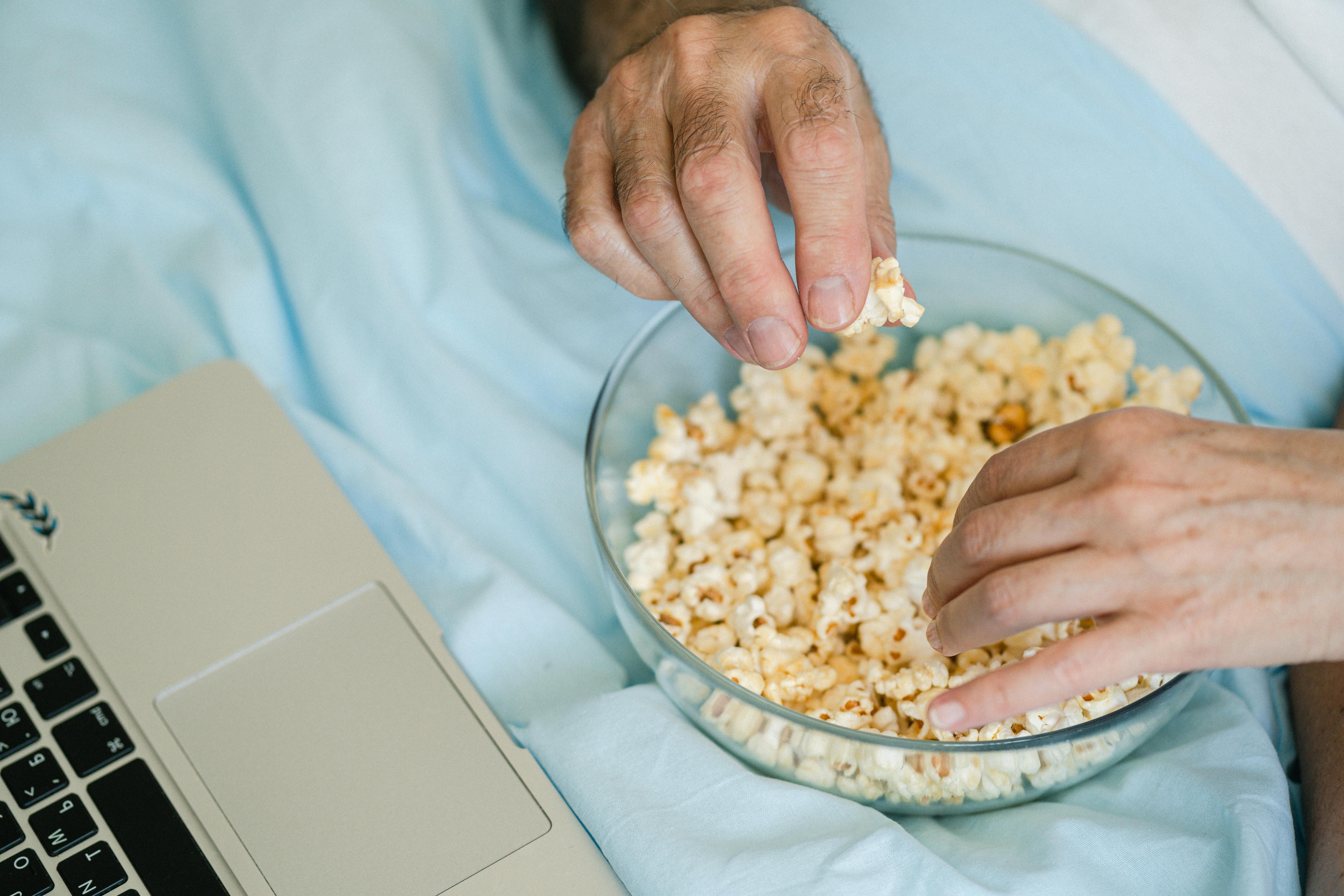
Let’s Be Honest About Snacks
“Don’t snack.”
That advice sounds neat on paper. But real life isn’t a nutrition textbook.
You can have a 7 a.m. breakfast and a 9 p.m. dinner. A meeting that eats your lunch break. A workout that leaves you ravenous. Or just that classic 4 p.m. moment where your brain feels like it’s running on low battery.
And here’s the twist: snacking itself isn’t the villain.
It’s what you snack on, why you’re reaching for it, and how often.
Why Most Snacks Fail You
Let’s dissect what usually happens:
The Spike + Crash
Refined-carb or sugary snacks (biscuits, chips, “energy” bars) = glucose shoots up → insulin rushes in → glucose plummets → you feel foggy, hungry, and irritable. Cue round two of snacking.The Craving Loop
Ultra-processed snacks are engineered for bliss points (salt + sugar + fat in the perfect ratio). Your brain loves it, but satiety hormones (like leptin and CCK) barely get a chance to switch on. Translation: you’re full but not satisfied.Empty Energy
Even if the calories are high, nutrition is low, so your body is still “looking” for missing building blocks (protein, magnesium, fiber, omega-3s). This unmet need drives more cravings.
So no, your “lack of willpower” isn’t the problem. Your biology is.
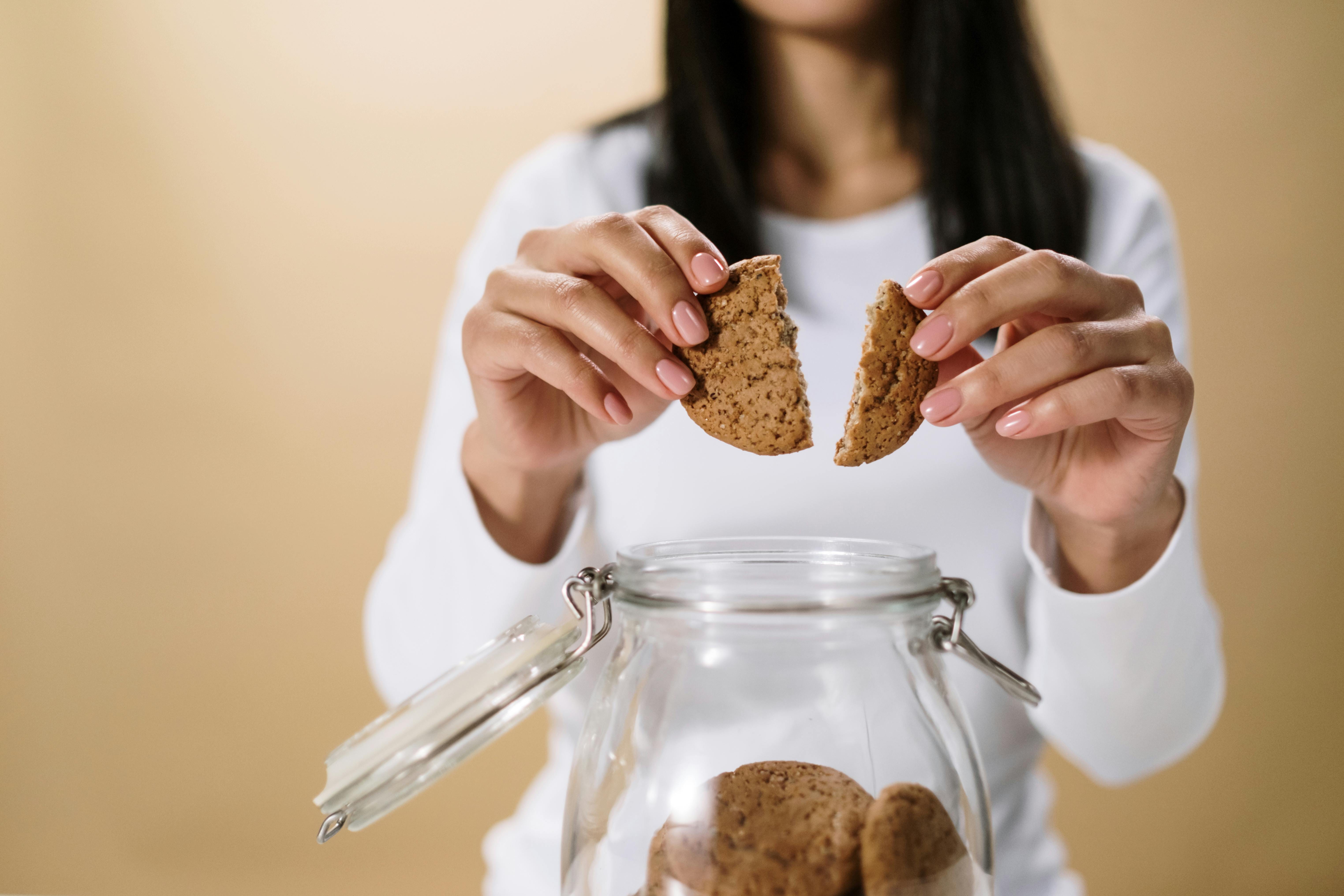
What a Good Snack Should Actually Do
Think of snacks not as fillers, but as strategic pit-stops. They should:
Steady your blood sugar (no rollercoasters).
Keep you satiated (protein + fiber + fat = the magic trio).
Feed your brain + muscles with micronutrients and amino acids.
Add functionality: antioxidants, gut-friendly compounds, mood support.
Buy you time until your next real meal without hijacking appetite.
The 3-Part Smart Snack Formula
Here’s a framework I use with clients. Simple enough to remember, science-backed enough to work:
👉 Protein or Healthy Fat + Fiber or Color + Functional Boost
Protein/Fat (the anchor): slows gastric emptying → steady glucose + better satiety.
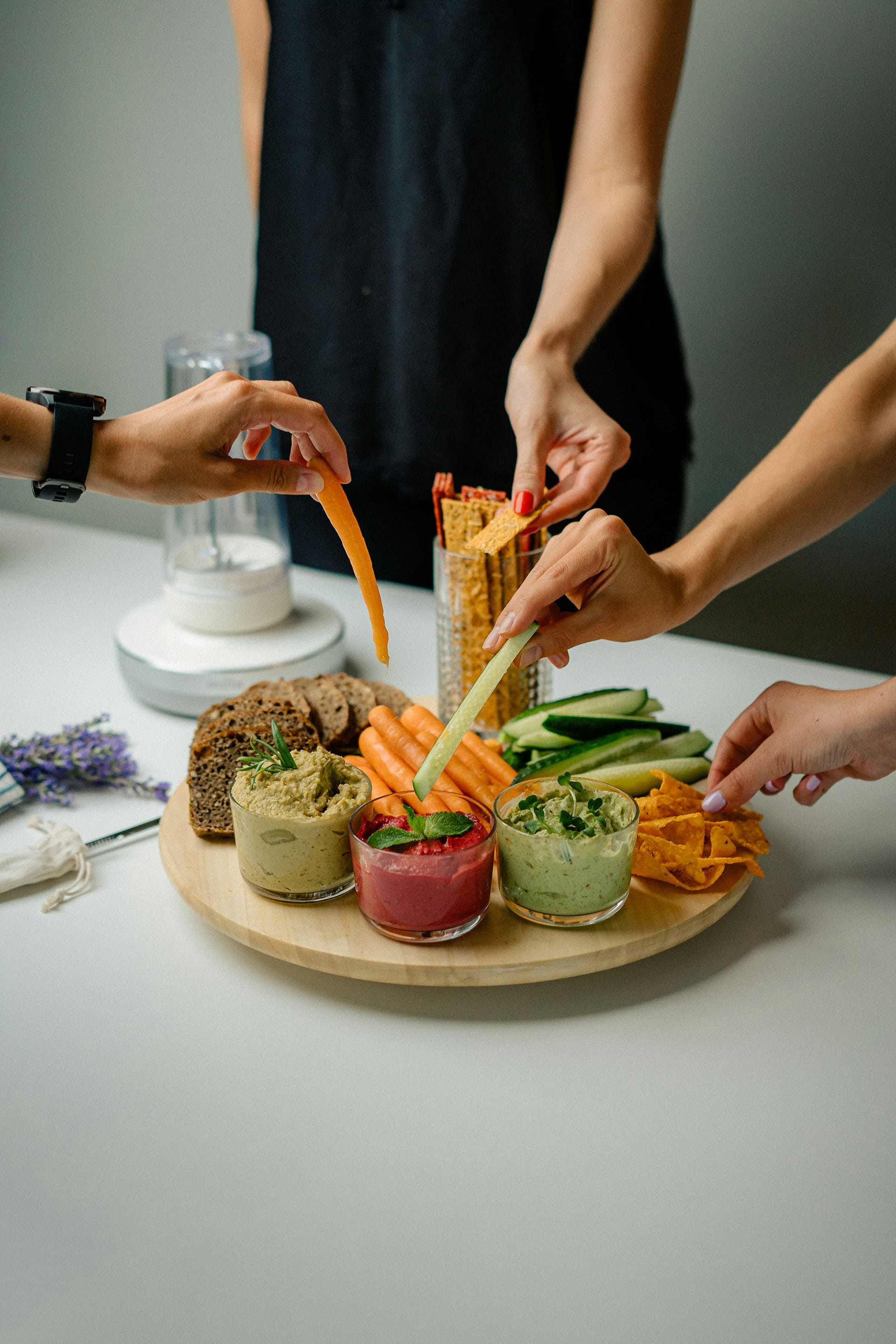
Examples: boiled eggs, Greek yogurt, hummus, nuts, seeds.Fiber/Color (the stabilizer): soluble fiber blunts glucose response + colorful phytonutrients feed your gut microbes.
Examples: veggie sticks, fruit, roasted chana, wholegrain crackers.Functional Boost (the edge): polyphenols, spices, fermented foods, or omega-3s add metabolic + mood benefits.
Examples: dark chocolate, cinnamon, flax seeds, kimchi, green tea.
That’s your “snack equation.” Build around it, and cravings quiet down on their own.
Snack Ideas That Actually Work (and Why)
Greek yogurt + berries + flax seeds
→ Protein + antioxidants + omega-3s. Gut-friendly and mood-supportive.Roasted chana + cucumber sticks + dash of chaat masala
→ High protein + fiber + spice boost. Keeps satiety hormones (like GLP-1) switched on.Greek yogurt or labneh + olive oil drizzle + za’atar + veggie sticks
→ Protein + probiotics + healthy fats + polyphenols. Gut-friendly, Mediterranean-inspired balance.Boiled eggs + carrot sticks + hummus
→ Protein + beta-carotene + healthy fats. A steady-release combo—great post-workout or for long workdays.Handful of mixed nuts + a square of dark chocolate + green tea
→ Healthy fats + magnesium + catechins. Steady energy, reduced stress, and improved focus.Khakhra with guacamole or hummus
→ Traditional crunch meets functional fats + fiber + protein. Comfort plus satiety.Vegetable upma with peanuts or seeds (small portion)
→ Warm, light, and protein-enriched. A better carb base than biscuits or namkeen.Paneer cubes tossed with black pepper + lemon
→ Quick protein + calcium + bioactive peptides. Keeps muscles and satiety signals supported.Buttermilk (chaas) + roasted makhana on the side
→ Hydration + probiotics + protein + crunch. A smart, light combo for hot afternoons.Oats or millet porridge with flax seeds + berries (small bowl)
→ Fiber + omega-3s + antioxidants. Works well when you want something soothing yet functional.
Snacking Wisdom: Rules That Save You
Check your why
Hunger or habit? Stress, boredom, and dehydration often mimic snack cravings. Quick test: if you’d happily eat an apple, you’re hungry. If not, it’s probably emotional.Don’t snack on autopilot
That 6 p.m. “tea + biscuits” ritual might just be nostalgia, not biology.Protein-first thinking
Protein stabilizes satiety hormones (GLP-1, peptide YY). Without it, your snack is a hollow promise.Pre-portion, don’t free-pour
Eating straight from a nut jar is like telling yourself “just one more episode.” Spoiler: it never stops at one.Liquid check
Mild dehydration = brain interprets as “snack time.” Try water or herbal tea first.Spacing matters
Grazing every 1–2 hours keeps insulin constantly elevated. Aim for 3–4 hour gaps unless you have a medical need otherwise.
The Bottom Line
Snacking isn’t about “good” or “bad.” It’s about strategy.
When done right, snacks smooth the gaps, fuel focus, and keep blood sugar drama-free. When done wrong, they feed cravings, add chaos, and leave you blaming your “discipline.”
So next time someone preaches “just don’t snack”, smile and think:
It’s not about skipping snacks, it’s about upgrading them.
What’s the weirdest but surprisingly perfect snack combo you’ve ever tried?
See you next Saturday,
Ishita